

Hearing the word scoliosis can bring instant worry, especially when your child looks healthy and feels fine. That reaction is completely understandable. It should be understood that idiopathic scoliosis is common in children and adolescents and often becomes noticeable during growth spurts. Additionally, this type of scoliosis may not cause pain or obvious symptoms at first. In most families, it is initially spotted during a routine pediatric visit or school screening rather than because a child complains.
For a parent, the most helpful next step is to remain calm and not panic. In this instance, it will be helpful to learn what the signs look like, how the condition is evaluated, and when early assessment can help guide the right plan.
What Is Idiopathic Scoliosis?
Idiopathic scoliosis is a condition where the spine curves sideways, often forming a “C” or “S” shape. The word idiopathic means the exact cause is unknown.
This is the most common type of scoliosis seen in children and adolescents. Importantly, it is not caused by:
- Poor posture
- Heavy backpacks
- Sports participation
- Sleeping positions
- Everyday activities
Many children with this type of scoliosis continue to live active, healthy lives with the right monitoring and support.
Early Signs Parents May Notice
Idiopathic scoliosis can be subtle in the beginning. Since it is often painless, the signs may only become noticeable during growth spurts.
Here are some common physical changes parents may observe:

Sometimes these changes are first identified during a school screening or pediatric checkup rather than at home.
How Idiopathic Scoliosis Is Diagnosed
An idiopathic scoliosis diagnosis typically begins with a physical examination. A clinician may assess:
- Posture and spinal alignment
- Shoulder and hip balance
- Spine appearance during forward bending
- Growth stage and development
If scoliosis is suspected, an X-ray may be recommended to measure the curve and determine its severity.
What Happens Next
Treatment recommendations usually depend on:
- Curve size
- Child’s age
- Remaining growth
- Risk of progression
The care plan may include:
- Regular monitoring
- Follow-up imaging
- Bracing
- Exercise-based therapy
- Surgery in more severe cases
Many mild curves are simply observed over time.
Frequently Asked Questions About Idiopathic Scoliosis
Does scoliosis hurt?
Often, no. Many children with idiopathic scoliosis feel little to no pain, especially in the early stages. More severe curves may eventually cause discomfort, fatigue, or breathing challenges.
Did we cause this?
No. Parents do not cause idiopathic scoliosis. The condition is not linked to posture, sports, backpacks, or lifestyle habits.
Will the curve get worse?
It can, particularly during periods of rapid growth. That is why early assessment and regular monitoring are important. Girls are more likely to develop curves that progress and require treatment.
Can my child still play sports and stay active?
Yes. Most children with scoliosis continue participating in sports, school activities, and exercise. Staying active is often encouraged unless otherwise advised by a healthcare professional.
Why Early Assessment Matters
Early assessment helps confirm whether the curve is mild, moderate, or severe and whether it is likely to progress as your child grows. Timely identification creates more opportunities to:
- Track curve progression
- Support posture and spinal health
- Explore non-invasive treatment options
- Reduce the likelihood of more aggressive interventions later
The goal here is to measure, monitor, and respond appropriately when needed.
How Canada Scoliosis & Neuro Centre Supports Families
At Canada Scoliosis & Neuro Centre, care is designed to support both children and parents through every stage of scoliosis management.
The clinic offers Scoliosis Group Treatment for children who have already completed one-on-one Schroth-based sessions. This group program combines:
- Customized scoliosis exercises
- Therapeutic play
- Guided movement training
- Peer support
- Parent involvement and education
This approach helps children stay engaged while giving families practical ways to support progress at home.

What a First Visit May Look Like
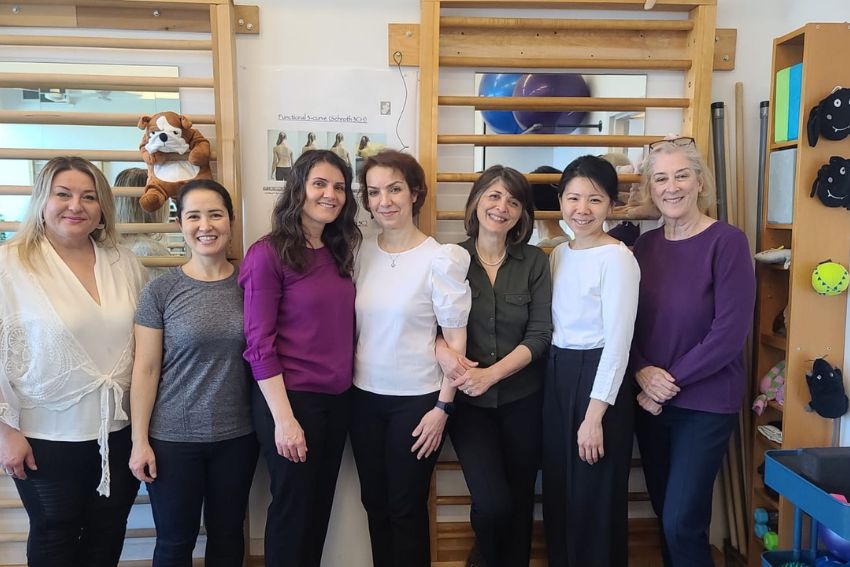
Your next step may simply begin with a conversation or an assessment. Depending on your child’s age, symptoms, and curve size, recommendations may include monitoring, additional imaging, or individualized treatment planning.
Contact Canada Scoliosis & Neuro Centre
Phone: +1 (647) 350-1062
Email: info@csncentre.com
Book an Assessment: Online booking
Key Takeaways
- Idiopathic scoliosis is more common in children and adolescents than a person would assume
- Early signs are often subtle and painless
- The condition is not caused by posture or backpacks
- Early assessment helps guide monitoring and treatment decisions
- Many children continue living active, healthy lives with appropriate care
If you notice posture changes, receive a school screening note, or have concerns about your child’s spine, seeking an evaluation can provide clarity and peace of mind.