
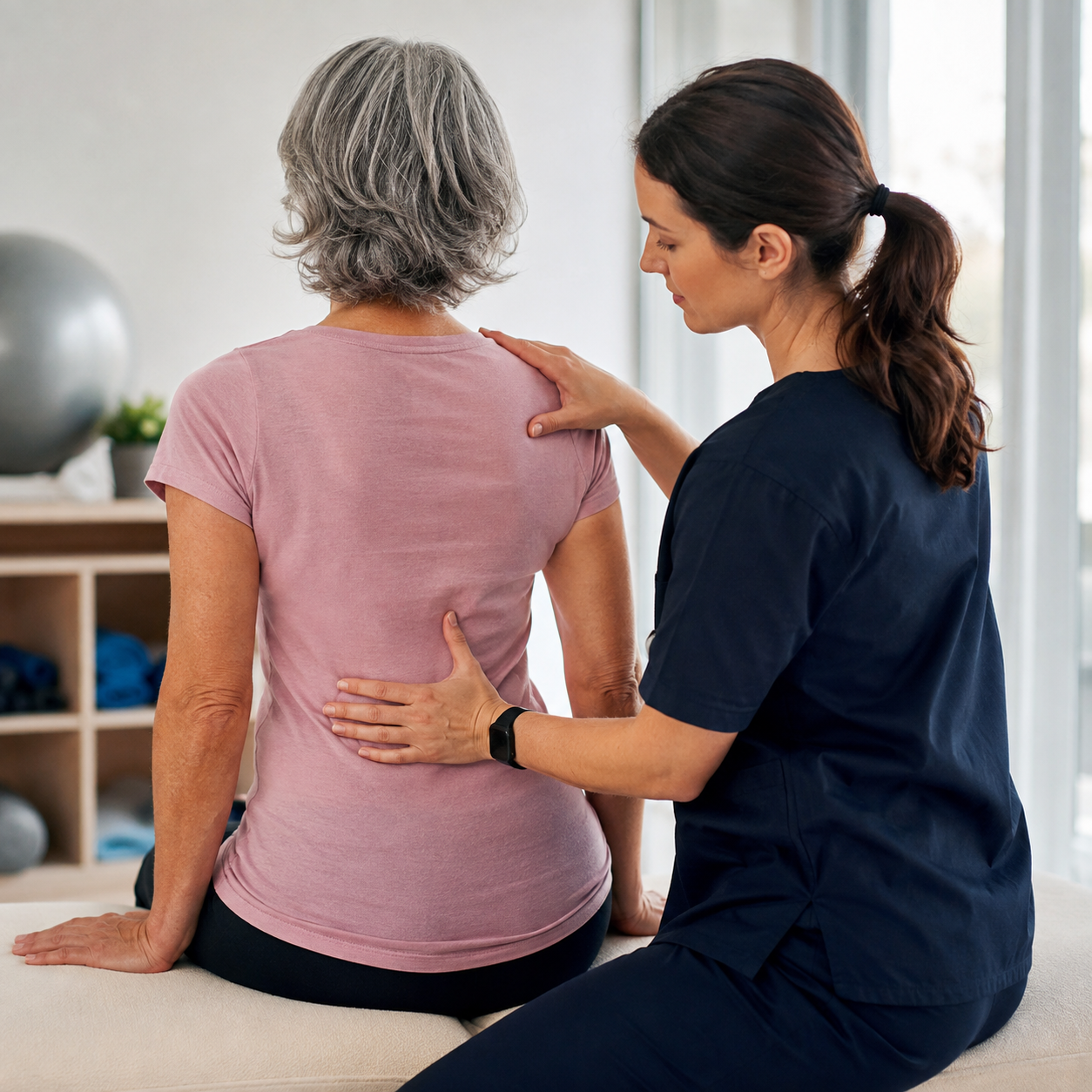
Adult Scoliosis Treatment: An Individualized, Function-First Rehabilitation Program
Learn how adult scoliosis physiotherapy can help manage pain, improve movement, posture and function with individualized care in North York, Toronto.
Learn how adult scoliosis physiotherapy can help manage pain, improve movement, posture and function with individualized care in North York, Toronto.

Neurodevelopmental Treatment (NDT) is a hands-on therapy approach for stroke, cerebral palsy and brain injury recovery. See how it works at Canada Scoliosis and Neuro Center, Toronto.
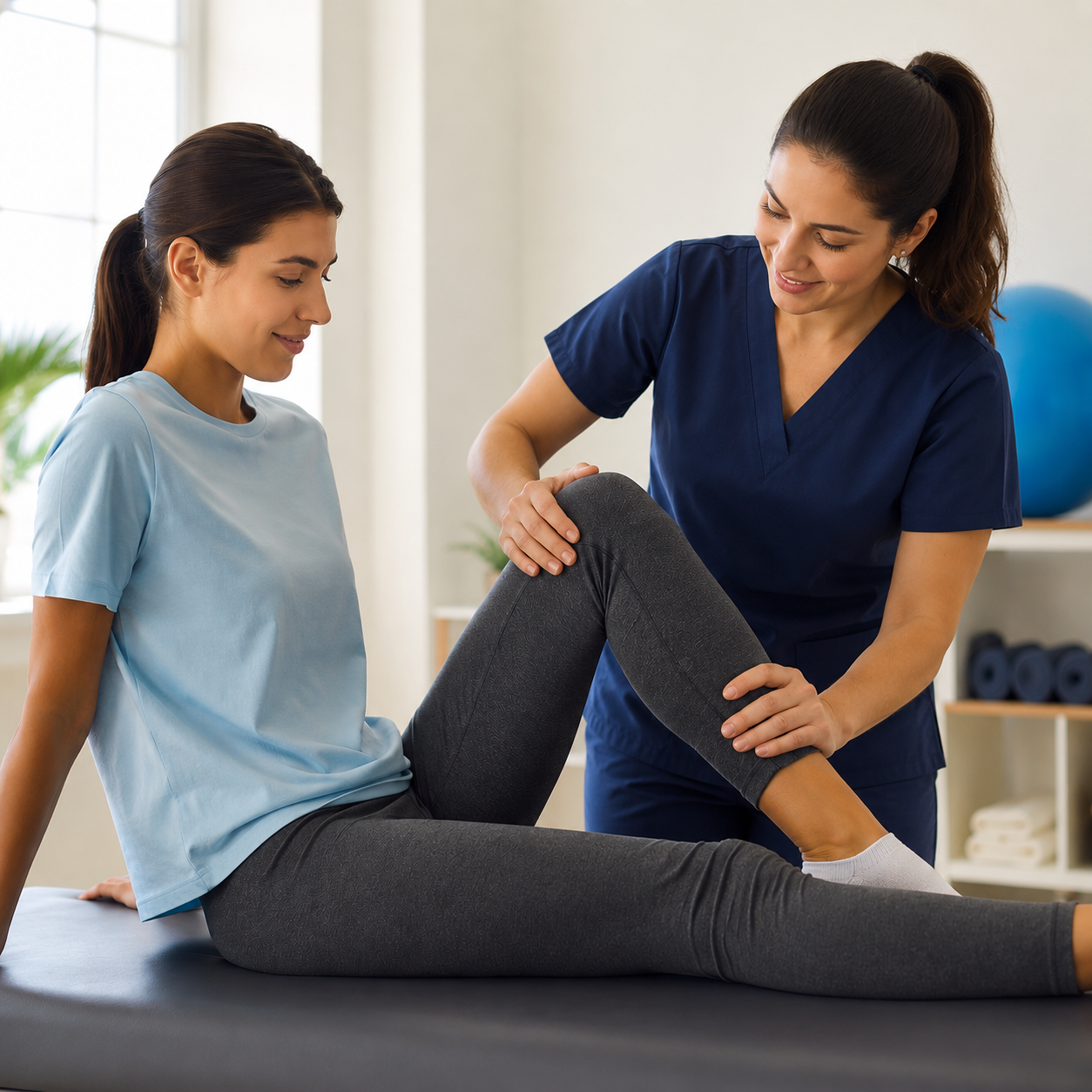
Learn how physiotherapy supports recovery from injuries through assessment, pain management, rehabilitation, and injury prevention. Discover how personalized treatment plans help restore strength, mobility, and function.

Learn the early signs, diagnosis process, and treatment options for idiopathic scoliosis in children. Discover why early assessment matters and how Canada Scoliosis & Neuro Centre supports families.
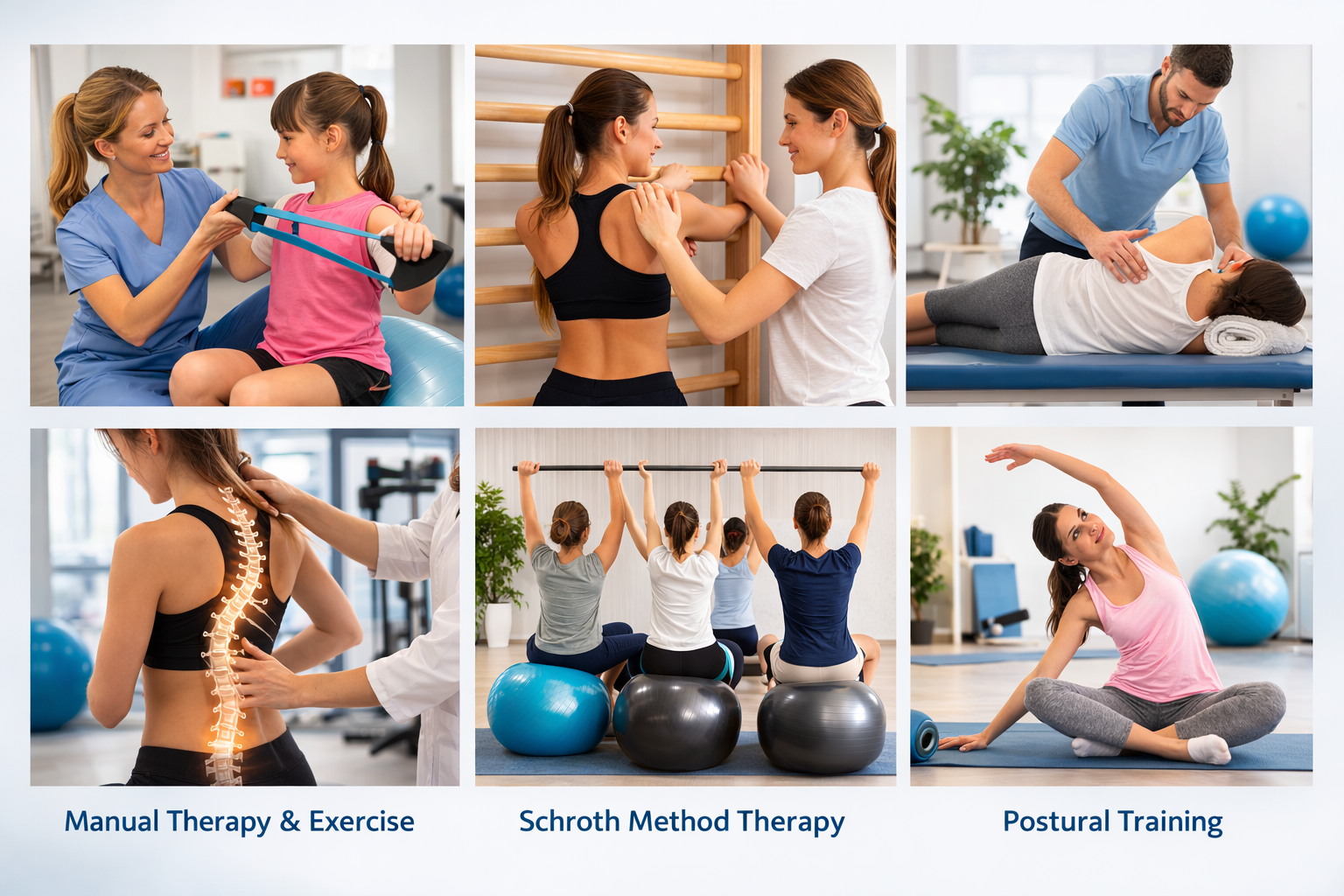
Learn how physiotherapy, Schroth and group treatment for kids help reduce pain, improve posture and slow curve progression. Book a scoliosis assessment today.

Back pain from slips, snow shoveling and cold weather? Learn about back injuries, when to seek help, and how physiotherapy speeds recovery.
2025 guide to maximize health insurance in Toronto for physiotherapy, neurophysiotherapy and scoliosis care at the year-end.

Introduction Physiotherapy helps you move better, reduce pain and get back to daily life. Whether you’re managing scoliosis, recovering from surgery, or dealing with recurring back pain, timely care often changes outcomes.Quick summary of physiotherapy benefits:Faster problem identificationProvides practical steps to restore movement and functionReduces probability of long-term limitations What is physiotherapy? It is the care that focuses on restoring, maintaining and maximising movement and function across your lifespan. Core aims Assess how your body moves and what it can…
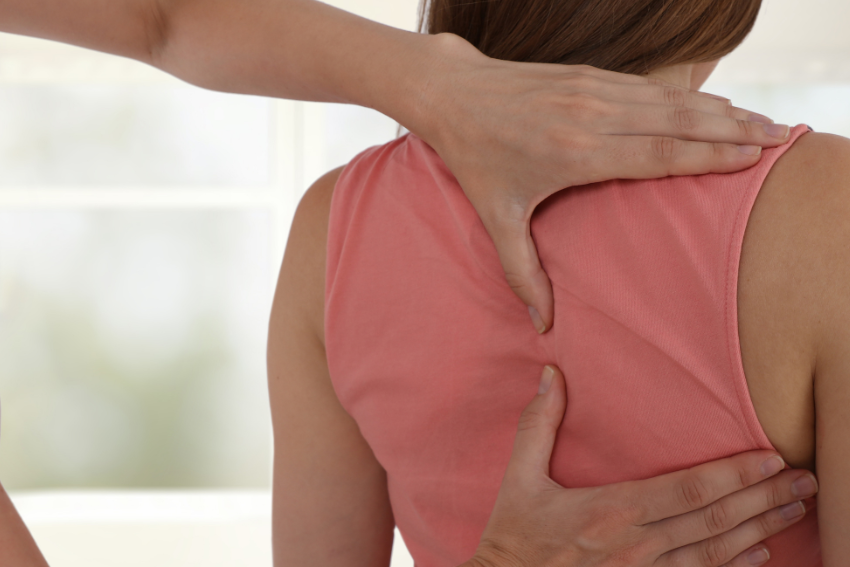
Scoliosis changes the spine’s shape and how the body balances. But the connective web that surrounds and links tissues, the fascia, also influences back pain, stiffness and movement in many different ways. Brief overview This article adapts Jean François Brabant’s explanation of fascia and uses it to look at how the tissue matters for people with scoliosis. Fascia is described here as a continuous, living network that supports muscles, organs, nerves and the spaces between them. We explain how fascia…
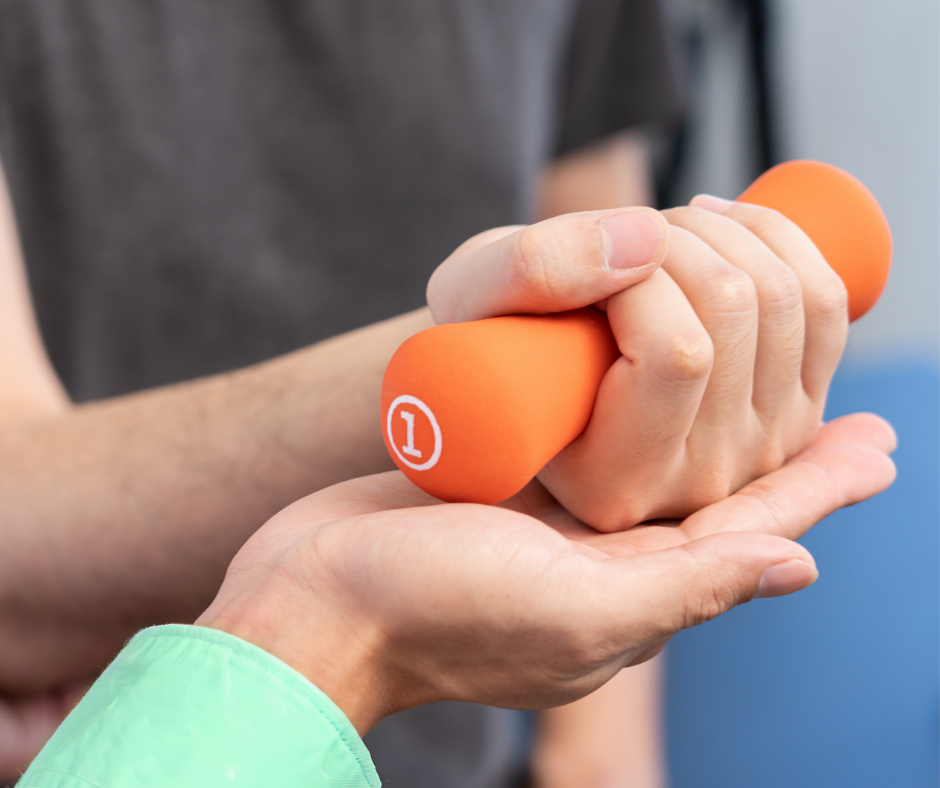
Quick intro This article:Breaks down neuroplasticity in clear, accessible terms.Highlights practical benefits for emotional, mental and physical health.Differentiates between standard physiotherapy and neuro-focused rehabilitation.Explains how short, high-repetition exercises illustrate principles of neuroplasticity and can be reinforced during a focused assessment. What is neuroplasticity? Neuroplasticity is the brain and nervous system’s ability to change and form new connections with practice. Think of brain pathways like walking trails. The more you use a path, the clearer it becomes. When you repeat a movement…